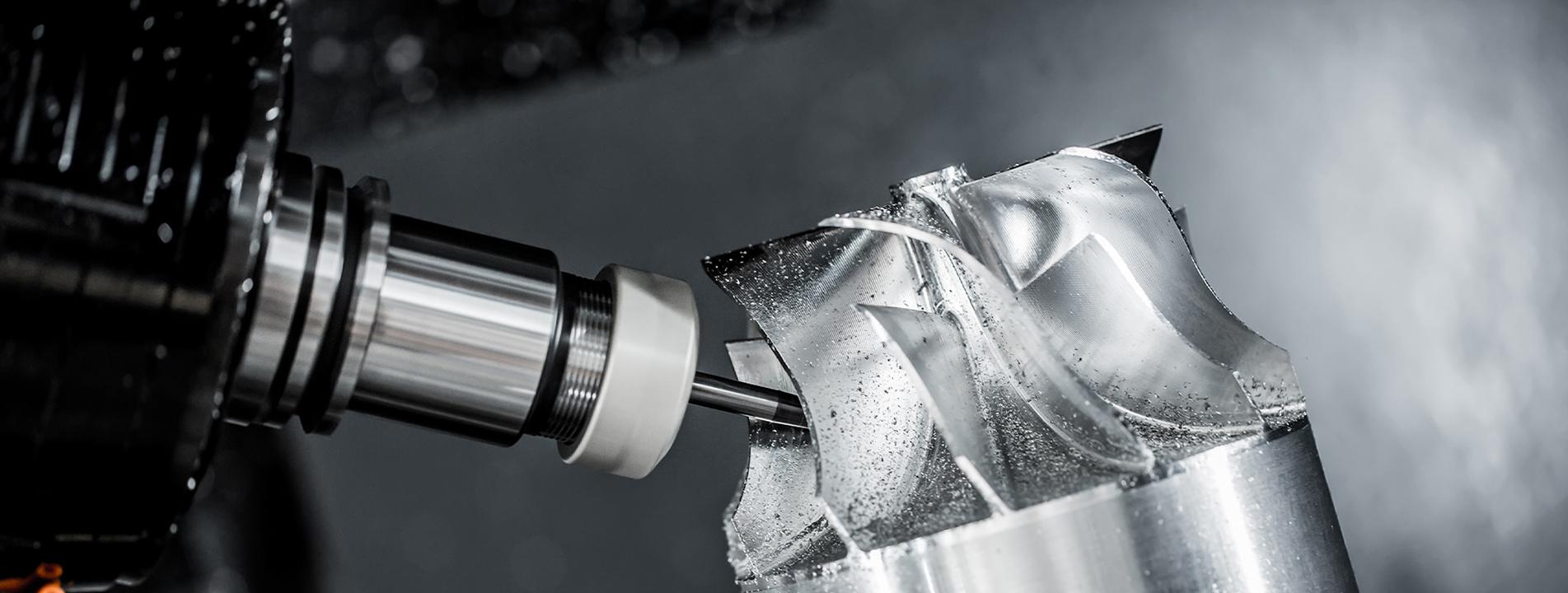
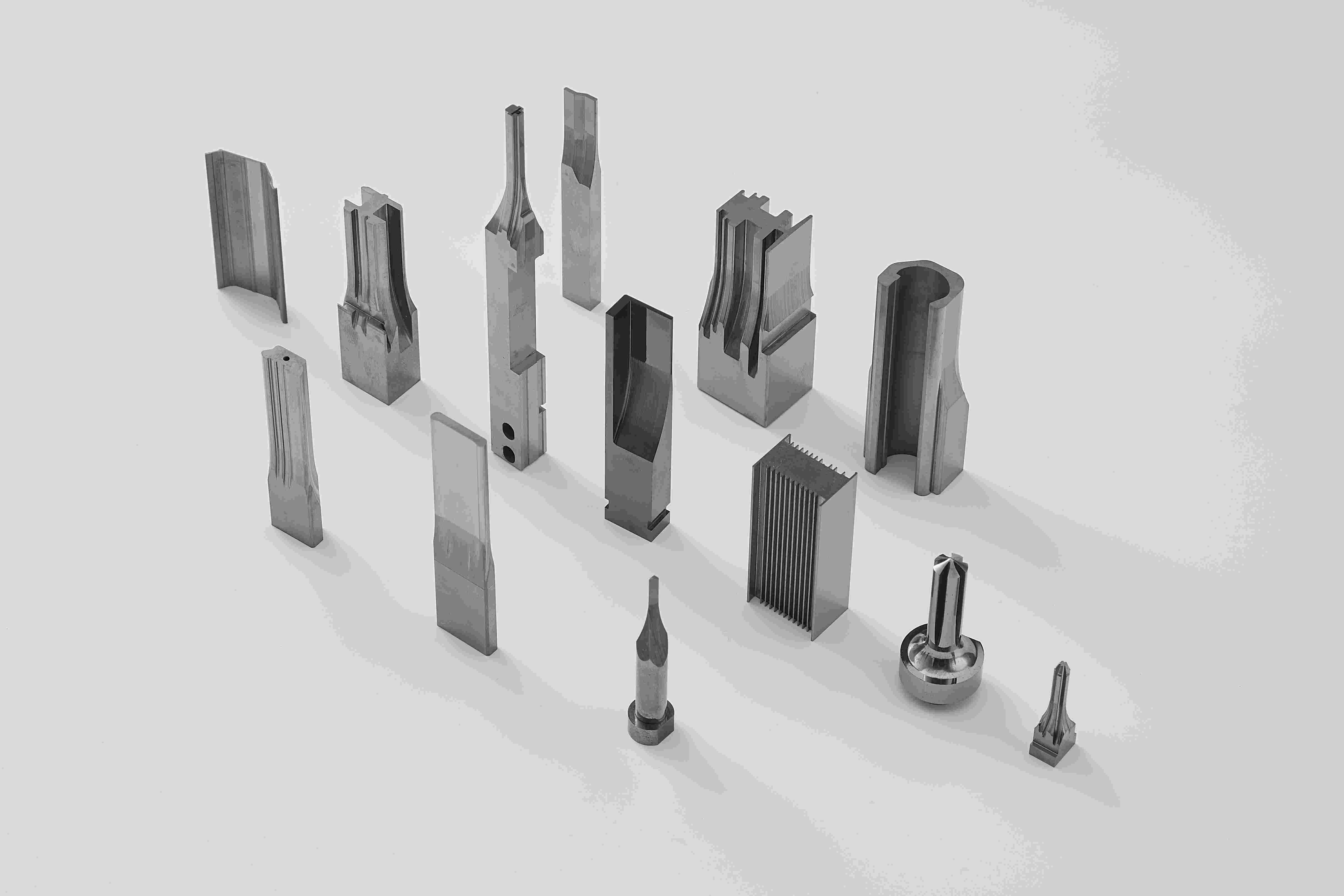
In the connector, semiconductor, and micro-stamping die industries, micro-profile tungsten carbide punches have become increasingly common. These parts often feature sharp corners, ultra-thin walls, and highly intricate miniature contours, with dimensions frequently measured in millimeters or even sub-millimeters.
Tungsten carbide, also known as cemented carbide, is extremely hard but also inherently brittle. Even with advanced machining equipment, issues such as corner chipping, thin-wall deformation, and dimensional deviation remain frequent challenges in manufacturing.
Based on practical cases from our factory, this article shares the real machining difficulties of micro-profile tungsten carbide punches and the corresponding process solutions.
Stress Concentration at Sharp Corners
Many designs require sharp edges, very small radii, or even near-zero-radius corners. However, tungsten carbide is hard but brittle.
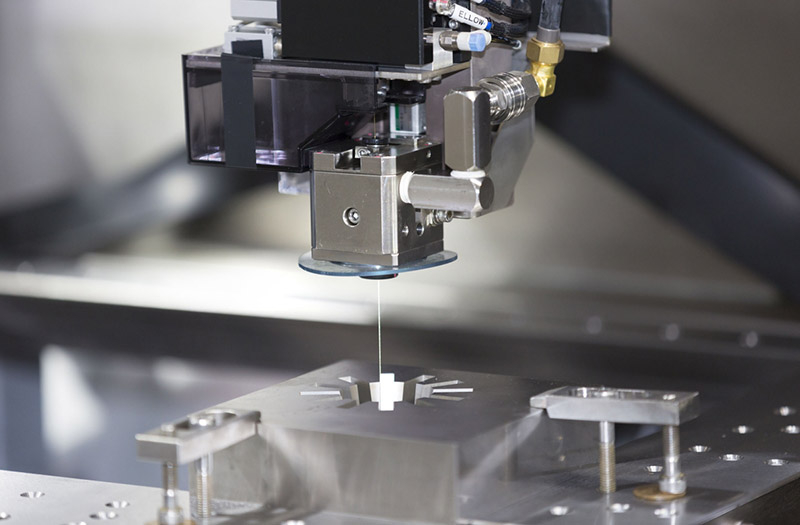
During wire EDM processing, electrical discharge energy tends to concentrate at corner areas, which may cause micro-burns and leave behind a recast layer or heat-affected zone. Under stamping loads later on, these corner areas often become crack initiation points, leading to early edge chipping or fracture.
In many cases, the punch may meet dimensional requirements after machining, but once put into production, the sharp corners fail after a short service life. This is a common issue that many projects encounter.
Thin-Wall Deformation and Fracture
The wall thickness of these parts is often in the range of 0.1 to 0.3 mm.
During machining, if discharge stress, grinding force, or clamping pressure is not properly controlled, the thin-wall section may bend or deform slightly. After the part is removed from the fixture, elastic recovery may cause dimensional deviation from the drawing tolerance.
In addition, thin-wall areas are highly vulnerable to damage during machining, cleaning, and transportation, making yield control difficult.
Difficulty in Measuring and Verifying Tiny Geometries
Because these parts are very small and geometrically complex, conventional measuring tools cannot accurately verify sharp corners or thin-wall contours.
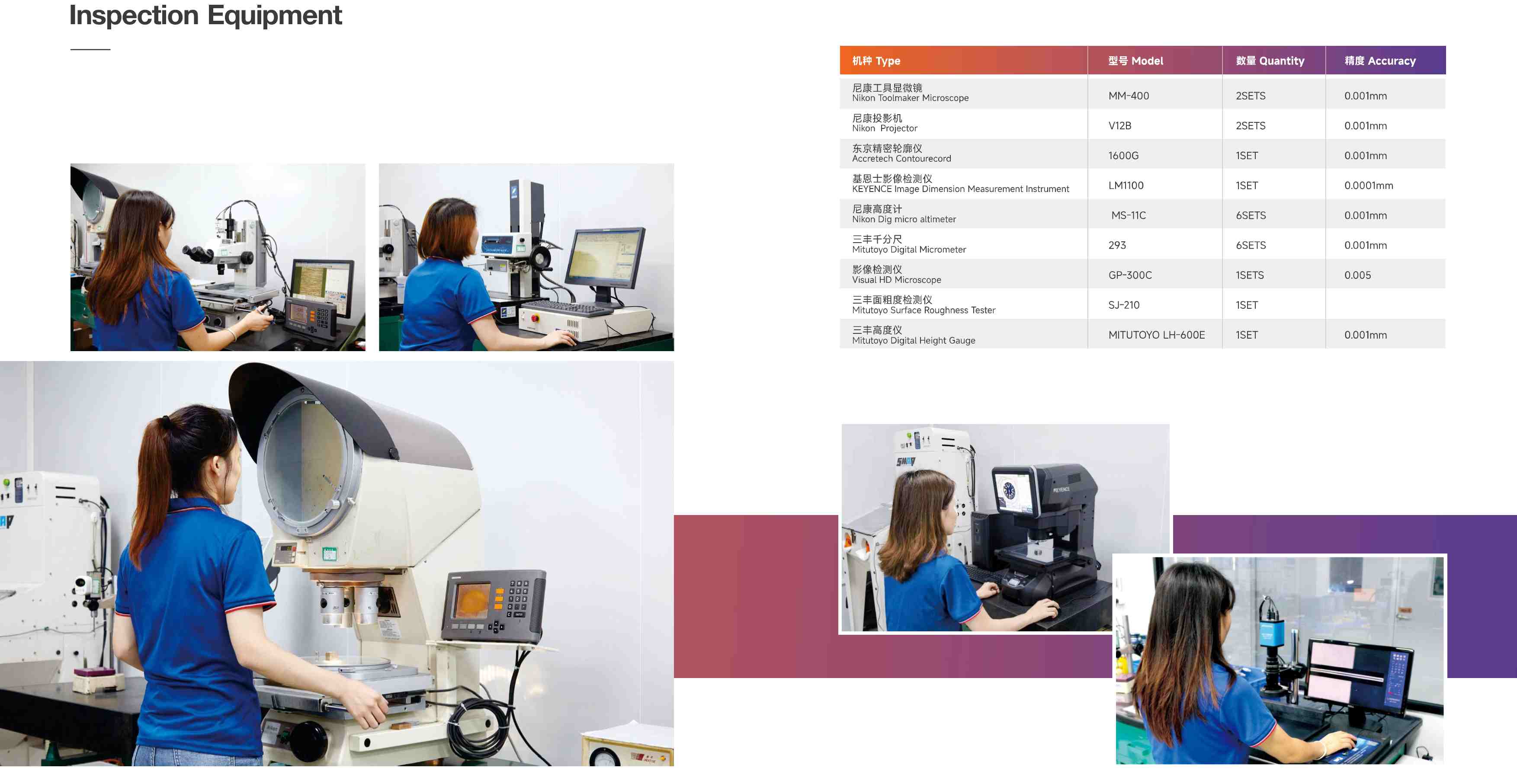
Machine-side inspection alone on a wire EDM machine is not sufficient to confirm final part accuracy. Full dimensional verification usually requires optical measuring systems and profile measurement instruments.
For tiny corners and thin-wall features, inspection fixtures and operator experience are equally important.
Hidden Impact of Carbide Grain Size
Not all tungsten carbide grades behave the same. Grain size has a direct impact on machining performance for miniature parts.
Fine-grain carbide is more suitable for sharp corners and thin-wall structures. Coarser-grain grades may offer good wear resistance, but they typically have poorer impact resistance at corner areas, making micro-features more prone to chipping.
Many customers focus only on hardness and overlook grain size, which can lead to significant risks in later use.
Practical Process Solutions
Use a Combined Process Route Instead of Relying Only on Wire EDM
Many people assume that high-end wire EDM can solve all micro-punch manufacturing problems. High-precision machines such as AgieCharmilles can indeed cut the contour, but the white layer and residual stress caused by EDM can be risky for sharp corners and thin walls.
A more mature process route is to use wire EDM for rough machining with finishing allowance, followed by precision shaping and finishing through Waida PG optical profile grinding.
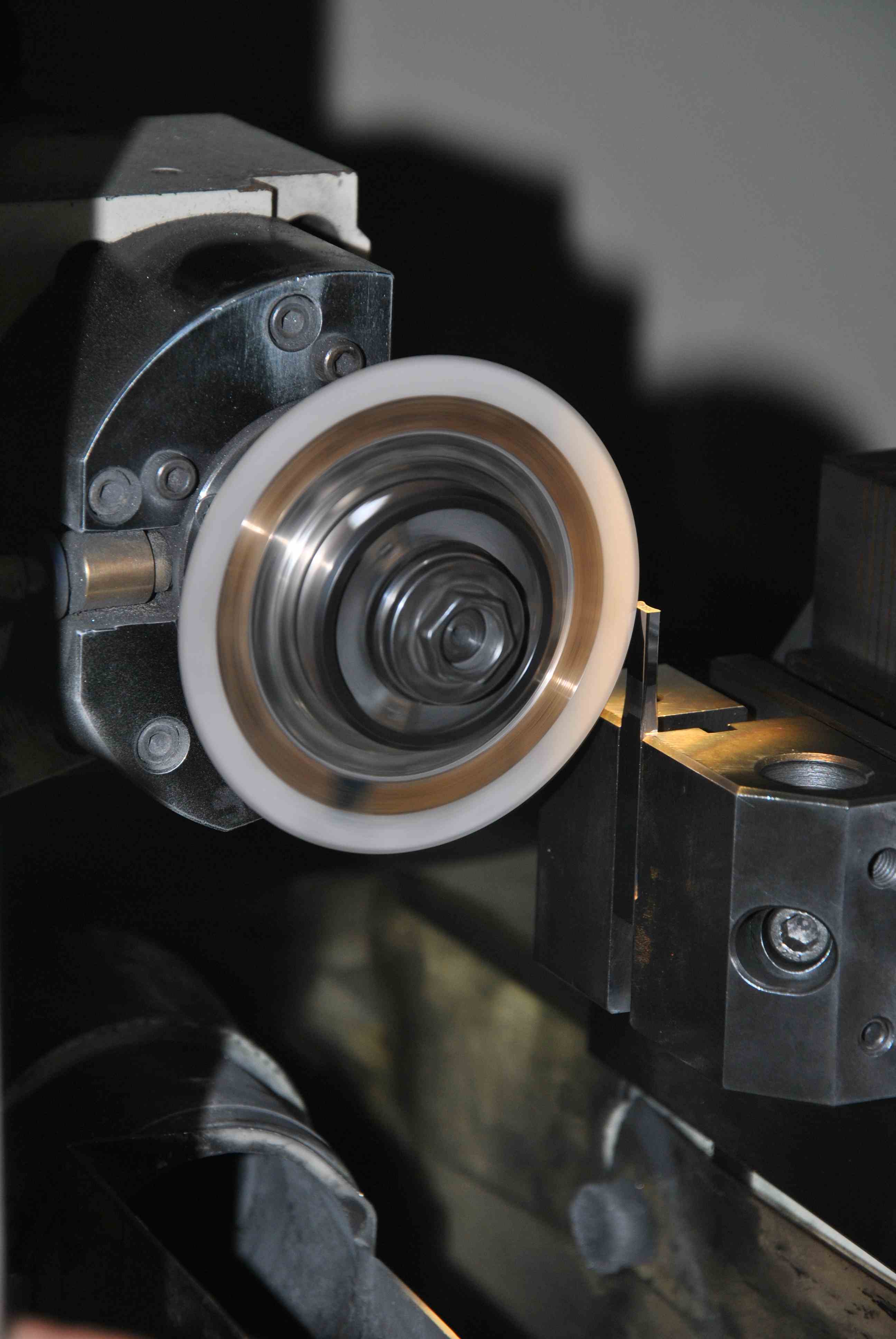
Grinding is a physical cutting process that removes the EDM-affected layer, better controls corner geometry, eliminates discharge stress, and significantly improves punch service life.
For some extremely small structures, the process may also be divided into multiple stages to reduce single-pass cutting load and minimize stress accumulation.
Optimize Fixturing to Reduce Stress and Deformation
Micro-parts should never be clamped too tightly.
For irregular miniature punches, we use dedicated fixtures to distribute clamping force and avoid local stress concentration that can distort thin-wall areas. At the same time, the cutting path and support positions are optimized to prevent tearing or breakage when the part is finally separated from the stock material.
Evaluate Material Grade in the Early Design Stage
When we receive a drawing, we evaluate the sharp corners and thin-wall features at the very beginning and make material recommendations accordingly.
For applications involving sharp corners and thin walls, fine-grain carbide is generally preferred. If the customer has specified a certain grade, we clearly explain the advantages and limitations of that material for miniature structures, and confirm whether a small process radius is acceptable on the corners to reduce the risk of breakage in actual use.
Establish a Full-Process Precision Inspection Loop
After machining, it is not enough to inspect only key dimensions by sampling.
We use equipment such as KEYENCE optical measuring systems and Nikon measuring microscopes to verify corner profiles, wall thickness, perpendicularity, and profile tolerance.
For micro-parts, protection during cleaning and transfer is also critical. Specialized trays are used to prevent human handling damage and ensure consistent quality.
1. Avoid absolute sharp corners whenever possible. A very small engineering radius can greatly improve punch life.
2. Evaluate the feasibility of tungsten carbide for thin-wall designs. If the wall thickness is too small, the part may pass machining inspection but still fail prematurely in stamping operation.
3. When selecting suppliers, do not look only at equipment. Pay close attention to whether they have combined capabilities in wire EDM + PG grinding and whether they possess complete inspection methods for miniature parts.
Manufacturing micro-profile tungsten carbide punches is never just a matter of “having expensive equipment.”
It is a comprehensive test of process planning, material understanding, fixture design, and in-process inspection. Hardware is only the foundation; process experience is the real key to solving sharp-corner and thin-wall machining challenges.
We continue to accumulate hands-on experience in micro hard-metal component projects and are committed to providing stable and reliable tooling solutions for precision stamping customers.


© 2026 © HONGYU MOULD LIMITED. Reservados todos los derechos.
 Red IPv6 compatible