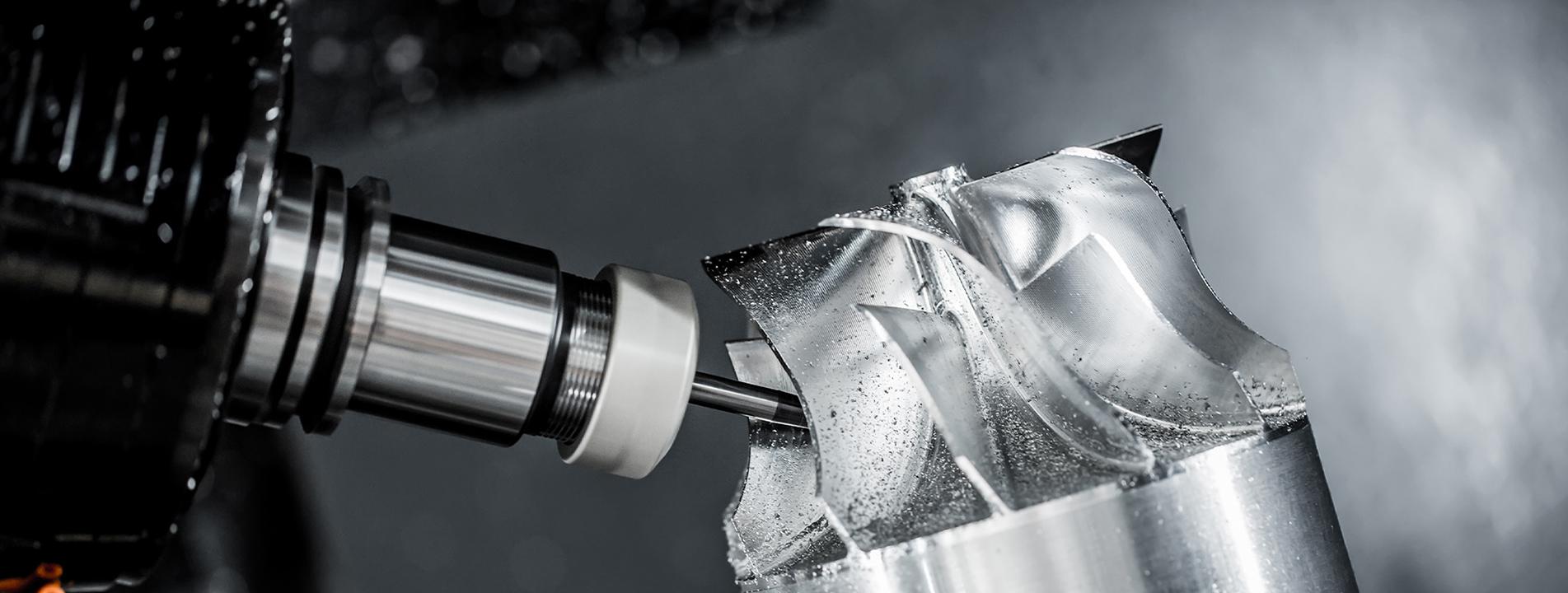
En el mundo de estampado de metalesEl desgaste de las herramientas es inevitable. Pero saber exactamente cuándo reemplazar una puñetazo Reafilar o reafilar un filo puede marcar la diferencia entre un resultado de alta calidad y costosos tiempos de inactividad.
Puñetazos se encuentran entre los componentes más estresados en un matriz de estampadoEstas son las señales críticas que indican que es hora de reemplazarlo:
Inspeccione la punta del perforador con regularidad. Si observa lo siguiente:
Bordes de corte redondeados o desafilados
Pequeñas astillas o grietas en la superficie
Patrones de desgaste desiguales
Reemplácelo inmediatamente. Seguir utilizando un punzón astillado puede dañar el botón de la matriz y producir rebabas en las piezas.
La altura de las rebabas es uno de los indicadores más fiables. Mida las rebabas periódicamente:
AceptableMenos del 10% del espesor del material
Advertencia: 10–15% — planifique su reemplazo pronto
CríticoMás del 15%: reemplazar inmediatamente
Si las piezas estampadas comienzan a salirse de la tolerancia, incluso después de ajustar los parámetros de la prensa, es posible que el punzón se desgaste más allá de su vida útil.
Un aumento repentino o gradual del tonelaje de la prensa suele indicar que el punzón está desafilado y requiere más fuerza para cortar el material.
Cuando el borde cortado se vuelve áspero, se desgarra o muestra un doblado excesivo, es hora de evaluar el estado del punzón.
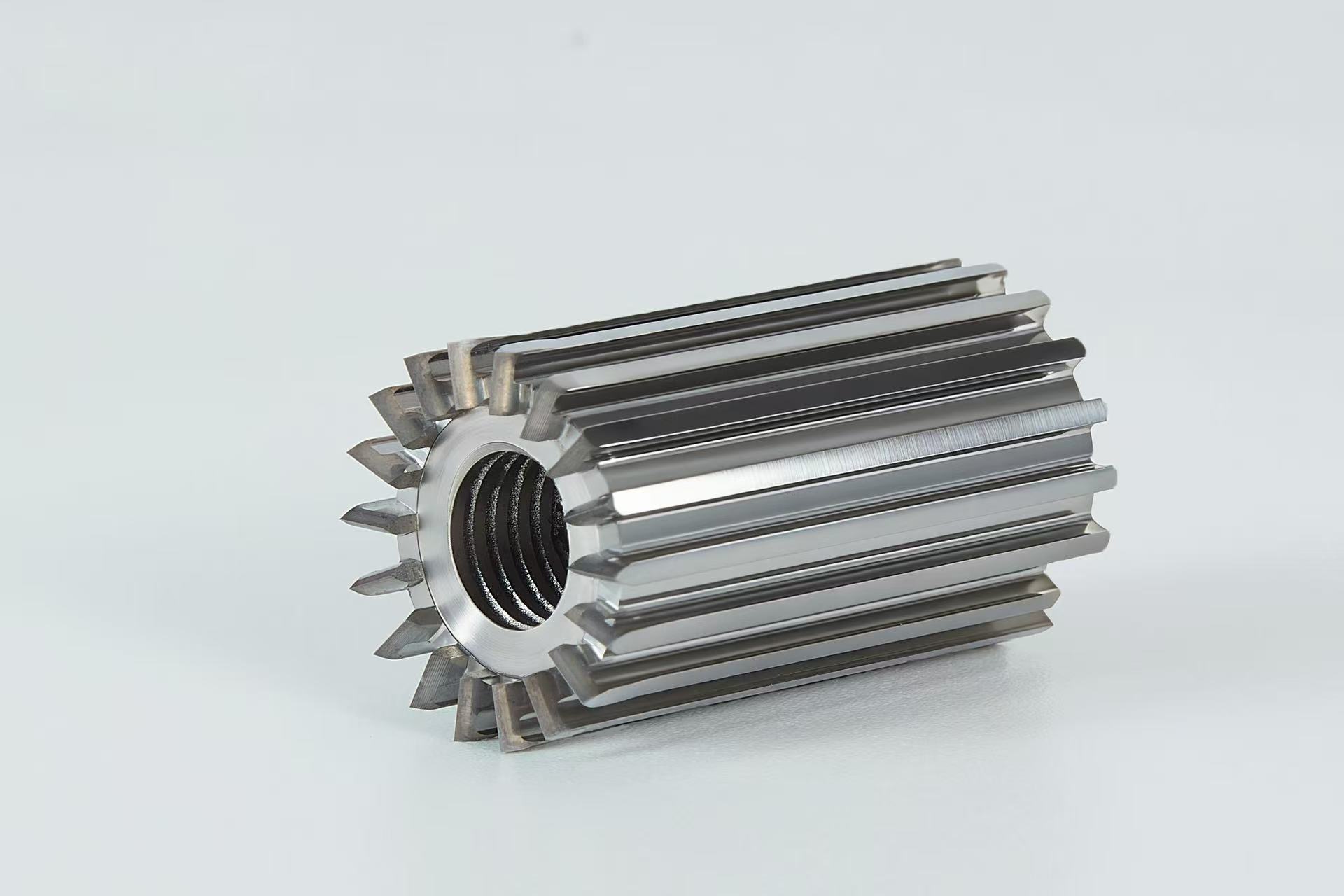
Para herramientas estándar punzonado de aceros acero dulce (hasta 3 mm de espesor), espere un típico vida de golpe de:
50.000 – 200.000 golpesantes de volver a afilar
Sustituir después de 3-5 reafilados, o cuando la longitud del punzón se reduzca en un 20%.
El reafilado restaura el filo sin necesidad de reemplazar la herramienta completa. El momento adecuado maximiza la vida útil de la herramienta manteniendo la calidad.
Como se mencionó anteriormente, una vez que la altura de la rebaba alcance entre el 10 % y el 15 % del espesor del material, programe un nuevo rectificado. No espere hasta que llegue a la zona crítica.
Utilice un comparador óptico o un microscopio. Si el radio del filo de corte excede 0,05–0,10 mm, el re-triturado está pendiente desde hace tiempo.
Cuando el material comienza a pegarse a la golpear o morir En la superficie, se observan microsoldaduras debidas al calor y la fricción. El rectificado elimina la capa superficial dañada.
Los operarios experimentados suelen oír cuando una matriz está desafilada. Un cambio de un chasquido nítido a un golpe sordo o un aumento de la vibración indican la necesidad de mantenimiento.
Muchas tiendas adoptan un enfoque preventivo:
Remoler cada 50.000 – 100.000 golpesdependiendo del tipo y grosor del material
Realizar un seguimiento del rendimiento real y ajustar los intervalos en consecuencia.
Eliminar solo 0,05 – 0,15 mmpor remoldeo
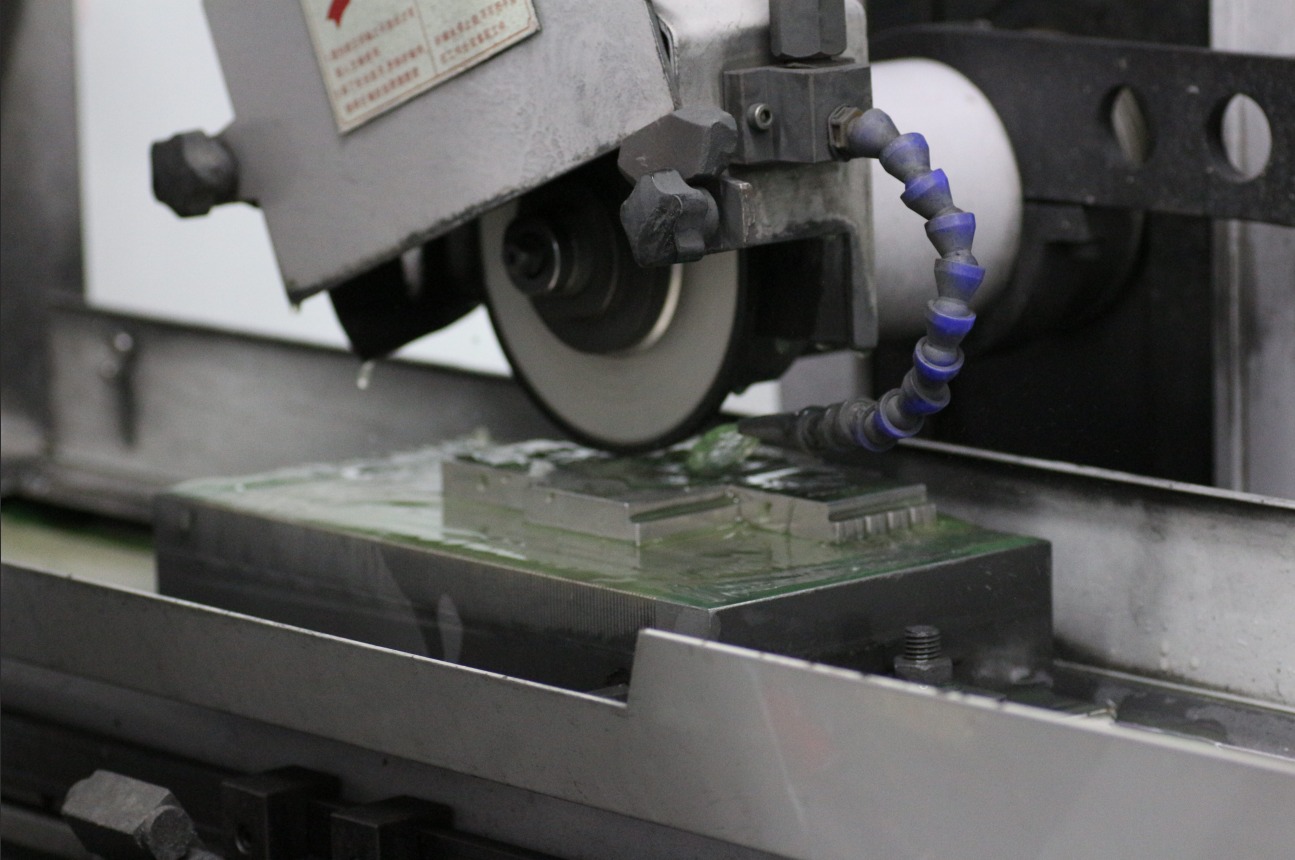
Evite retirar demasiado material a la vez, ya que esto genera calor y puede ablandar el acero de la herramienta.
Práctica | Beneficio |
Utilice la lubricación adecuada. | Reduce la fricción y la acumulación de calor. |
Mantenga el espacio libre correcto | Evita el desgaste excesivo y el astillado. |
Alinee los punzones con precisión | Elimina la carga desigual |
Guarde las herramientas correctamente. | Previene la corrosión y los daños accidentales. |
Mantenga registros de mantenimiento detallados. | Permite tomar decisiones de reemplazo basadas en datos. |
La decisión de reemplazar un punzón o reafilar un filo de corte nunca debe basarse en conjeturas. Al monitorear la altura de la rebaba, la precisión dimensional, el estado del filo y los recuentos de producción, puede implementar una estrategia de mantenimiento predictivo que reduce el tiempo de inactividad no planificado y prolonga la vida útil de la herramienta.Un troquel bien mantenido es un troquel rentable.


© 2026 © HONGYU MOULD LIMITED. Reservados todos los derechos.
 Red IPv6 compatible